Source Luxury Magnetic Closure Cosmetic Palette for Makeup, Travel, and Retail
Compare 30 listings for Luxury Magnetic Closure Cosmetic Palette options including square plastic cases and custom packaging. Buyers can review specifications like dimensions, material, and customization services from suppliers in China.
Key considerations
Products List
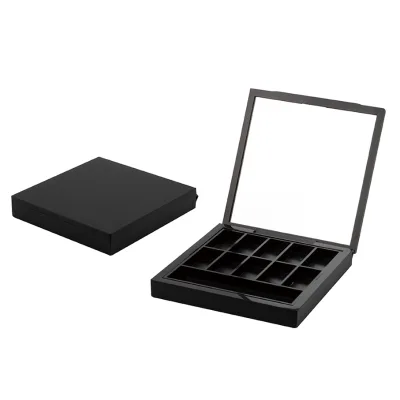
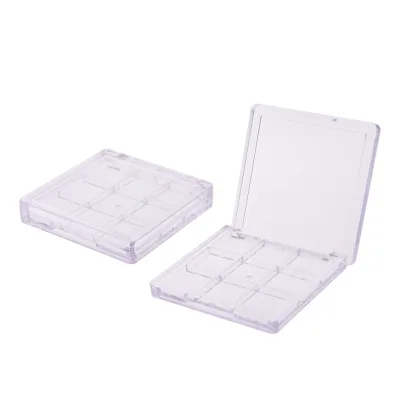


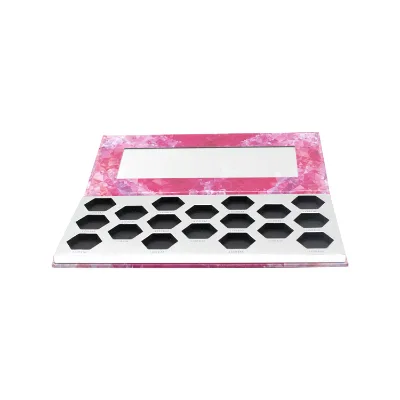

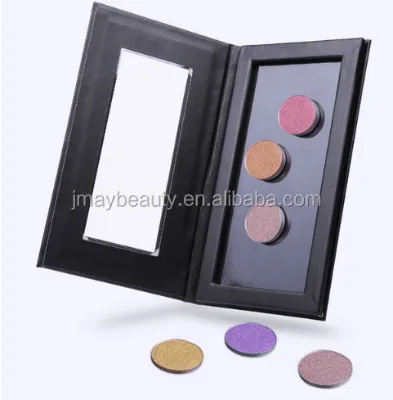

Luxe Customizable Eyeshadow Palette with Vibrant Glitter and Matte Shades
$1.00 - $1.50
MOQ: 1000 Pieces


Comprehensive Sourcing Guide
Strategic Sourcing Guide for Luxury Magnetic Closure Cosmetic Palettes
The global demand for high-end cosmetic packaging has driven a significant shift toward magnetic closure systems that offer both aesthetic appeal and functional durability. For procurement professionals targeting "luxury magnetic closure cosmetic palettes," the sourcing landscape requires a nuanced understanding of material science, manufacturing capabilities, and supply chain reliability. This guide synthesizes available market data and technical specifications to provide a disciplined framework for evaluating potential suppliers and defining product requirements. The focus remains on objective criteria, ensuring that procurement decisions are grounded in verifiable facts rather than unverified marketing claims.
Technical Specifications and Material Architecture
The foundation of a luxury cosmetic palette lies in its structural integrity and material composition. Based on observed product attributes, the industry standard for these items often involves plastic substrates engineered for specific weight and thickness profiles. A critical observation in the current market is the prevalence of dimensions such as 87.61.3cm, which suggests a compact, portable form factor suitable for travel and retail display. The thickness of the material is frequently cited around 1mm, a specification that balances rigidity with the flexibility required for magnetic alignment.
Material selection is paramount for achieving the "luxury" designation. While plastic is a dominant material in the observed data, buyers must also evaluate the integration of cardboard or paper-based components for outer packaging or specific structural elements. The data indicates that "Cardboard" is a recognized paper type in this sector, often utilized in conjunction with plastic cores to create a composite structure. This hybrid approach allows for high-quality printing surfaces while maintaining the necessary strength for magnetic closure mechanisms.
The shape of the palette is another defining technical characteristic. The square geometry is a standard configuration, with specific model numbers like 1333 and dy215 representing distinct design iterations. Buyers should verify that the magnetic closure mechanism is integrated directly into the plastic or cardboard layers without compromising the structural bond. The hardness of the material is described as "Partial Hard," indicating a need for a balance between a rigid exterior and a flexible interior that can accommodate eyeshadow pans securely. Waterproof capabilities are often a point of differentiation, with some observed products explicitly noted as "Not Waterproof," necessitating careful consideration for brands targeting humid environments or outdoor use.
Compliance, Certification, and Environmental Standards
In the realm of luxury cosmetics, compliance extends beyond basic safety to encompass environmental sustainability and ethical sourcing. The "Recyclable" attribute is a significant selling point observed in the market, aligning with global trends toward eco-conscious packaging. However, buyers must rigorously verify the specific recycling protocols associated with the materials used. The presence of an FSC certification is a low-confidence background factor that should not be assumed; instead, procurement teams must request explicit documentation from suppliers regarding Forest Stewardship Council compliance for any paper or cardboard components.
Certification checks should also address the chemical safety of the plastics and inks used. While specific test results are not provided in the general data, the "Customized" standard implies that suppliers can tailor their production to meet specific regional regulatory requirements. Buyers should inquire about the adherence to international standards for cosmetic packaging, particularly regarding heavy metals and volatile organic compounds (VOCs). The "Customized" nature of the product standard suggests that suppliers are capable of adapting to specific market regulations, but this capability must be validated through a formal audit of their quality management systems.
Furthermore, the "Global" marketplace status of these products indicates a need for compliance with diverse international shipping and safety regulations. The "Service" attribute, which includes OEM and ODM capabilities, suggests that suppliers are equipped to handle complex compliance requirements, but the buyer must define these requirements explicitly in the initial contract. The absence of a specific brand name on many products ("no" brand) highlights the importance of the supplier's ability to manage private label compliance and intellectual property rights.
Cost Drivers and Pricing Dynamics
Understanding the cost structure of luxury magnetic palettes is essential for budget planning and margin analysis. The observed price range of 0.02 to 3.25 USD per unit reflects a wide spectrum of product complexity, material quality, and order volume. The lower end of this range likely corresponds to basic plastic models with standard magnetic closures, while the higher end may include premium finishes, custom shapes, or complex multi-layer constructions.
The Minimum Order Quantity (MOQ) is a primary driver of unit cost, with observed ranges spanning from 50 to 12,000 units. Suppliers with higher MOQs, such as the 5,000-piece threshold noted in some listings, typically offer lower per-unit pricing due to economies of scale. Conversely, suppliers accepting lower MOQs (e.g., 50 units) may charge a premium for the flexibility and smaller batch production setup. Buyers must balance the need for inventory flexibility against the cost benefits of larger orders.
Additional cost factors include the printing and finishing processes. The "Printing Handle" options, such as embossing, glossy lamination, and matte lamination, add significant value but also increase production costs. The choice between screen printing, offset printing, and hot stamping will also impact the final price. Buyers should request detailed cost breakdowns that isolate the expenses associated with these value-added services. The "Custom Order" capability further influences pricing, as bespoke designs require additional tooling and engineering time.
Typical Applications and Market Segmentation
The versatility of magnetic closure cosmetic palettes is evident in their diverse application range. While the primary use case is clearly identified as "Cosmetic" and "Eyeshadow case," the data indicates broader utility in "Arts and Crafts," "Electronic Products," "Jewelry," and "Gifts." This multi-sector applicability suggests that the design principles of these palettes—compactness, magnetic security, and aesthetic appeal—are transferable across various industries.
For cosmetic brands, the primary application is the storage and display of eyeshadow pans. The "square 9 colors plates" configuration is a standard offering, but the "Single Open" feature and "Gold and White" color schemes indicate a trend toward premium, single-use or limited-edition palettes. The "Perfume Box" and "Gift Box" applications highlight the potential for these products to serve as luxury packaging for other high-value items. The "Gender: Female" attribute underscores the target demographic, though the design flexibility allows for unisex or gender-neutral marketing strategies.
The "Health Care Products" and "Garment & Shoes" applications suggest that the magnetic closure mechanism is robust enough to secure small, valuable items in various contexts. This versatility makes these palettes attractive for brands looking to expand their product lines or create cohesive packaging ecosystems. Buyers should consider how the "Customized Shape" and "Box Type" attributes can be leveraged to create unique brand identities that stand out in a crowded marketplace.
Supplier Evaluation and Capability Assessment
Evaluating suppliers for luxury cosmetic packaging requires a multi-faceted approach that goes beyond price and lead time. The "Service" attribute, which includes Sample, OEM, ODM, and After-Sale support, is a critical indicator of a supplier's maturity and reliability. Buyers should prioritize suppliers who offer comprehensive sample programs, allowing for the physical testing of magnetic strength, material finish, and overall build quality. The availability of free samples (1-2 pieces) is a positive signal, but the quality of these samples must be representative of mass production.
Geographic location is another key factor in supplier selection. The observed origins include Guangdong, Hangzhou, and Guangzhou in China, regions known for their robust manufacturing ecosystems. Buyers should verify the specific factory capabilities within these locations, as proximity to raw material suppliers and logistics hubs can impact lead times and costs. The "Place of Origin" should be clearly documented to ensure transparency and compliance with any country-of-origin labeling requirements.
The "Customization" and "Custom Order" attributes indicate that suppliers are willing to adapt their production lines to meet specific client needs. However, buyers must assess the supplier's capacity to handle these customizations without compromising quality or delivery schedules. The "Model Number" variations (e.g., 1333, dy215, dy075) suggest a catalog of existing designs, but the ability to create entirely new molds or designs is a separate capability that requires detailed discussion.
Quality Control and Long-Term Procurement Strategy
Maintaining consistent quality in magnetic closure palettes requires a rigorous quality control (QC) framework. The "Hardness: Partial Hard" and "Waterproof: Not Waterproof" attributes highlight specific performance metrics that must be tested. Buyers should establish clear acceptance criteria for magnetic alignment, ensuring that the closure remains secure under various conditions. The "Thickness: 1mm" specification must be verified through random sampling to ensure consistency across production batches.
Long-term procurement strategies should focus on building a resilient supply chain. The "MOQ: 5000PCS" requirement for some suppliers may necessitate a phased ordering approach to manage inventory costs. Buyers should negotiate flexible terms that allow for adjustments in order volume based on market demand. The "Sample+OEM+ODM+After-Sale" service model suggests that suppliers are committed to long-term partnerships, but buyers must ensure that after-sales support includes robust mechanisms for addressing defects or quality issues.
Sustainability should be a core component of the long-term strategy. The "Recyclable" attribute is a strong starting point, but buyers should work with suppliers to enhance the environmental profile of the product. This may involve exploring alternative materials, optimizing packaging to reduce waste, or implementing take-back programs. The "Customized" standard allows for the integration of these sustainability initiatives, but they must be explicitly defined and monitored.
Conclusion
Sourcing luxury magnetic closure cosmetic palettes requires a strategic approach that balances technical specifications, cost efficiency, and quality assurance. By focusing on verified attributes such as material thickness, shape, and customization capabilities, buyers can make informed decisions that align with their brand values and market objectives. The observed data provides a solid foundation for understanding the current landscape, but continuous verification and supplier evaluation remain essential for long-term success. As the market evolves, maintaining a disciplined, evidence-based procurement process will be key to navigating the complexities of the luxury cosmetic packaging sector.
FAQs
What materials are used for luxury magnetic closure cosmetic palettes?
Plastic is the dominant material observed for these palettes, often combined with cardboard components for outer packaging. Some products specify a thickness of 1mm and a square shape to ensure structural integrity while maintaining a compact, portable form factor for travel and retail display.
Can suppliers offer customization for magnetic palette designs?
Yes, suppliers explicitly accept custom orders and offer customization for shape, printing, and packaging. Buyers can request specific model numbers like 1333 or dy215, or request entirely new designs, with options for embossing, lamination, and hot stamping to match brand identity.
How does the minimum order quantity affect pricing for these palettes?
The minimum order quantity ranges from 50 to 12,000 units, directly influencing the unit cost. Suppliers with higher thresholds like 5,000 pieces typically offer lower prices due to economies of scale, while those accepting 50 units may charge a premium for smaller batch flexibility.
What are the standard dimensions for square magnetic eyeshadow palettes?
A common specification for these palettes is 8 by 7.6 by 1.3 centimeters, designed for a compact and portable profile. This size accommodates multiple color plates while maintaining the rigidity required for magnetic alignment and secure closure during transport.
Which printing methods are available for custom cosmetic palette packaging?
Available printing methods include screen printing, offset printing, and hot stamping, often applied to plastic or cardboard substrates. Buyers can choose between glossy or matte lamination and embossing to achieve specific finishes, with options for two-sided printing on certain product models.
Are these magnetic palettes suitable for international shipping requirements?
The products are listed for the global marketplace, indicating suitability for international distribution. However, buyers must verify specific compliance with regional regulations, as some observed items are noted as not waterproof and require careful handling to prevent damage during transit.